
QUEERNESS ON FILM RETURNS FOR A SECOND SOLD OUT YEAR AS INDUSTRY LEADERS CALL FOR DEEPER SUPPORT OF LGBTQIA+ CREATIVITY
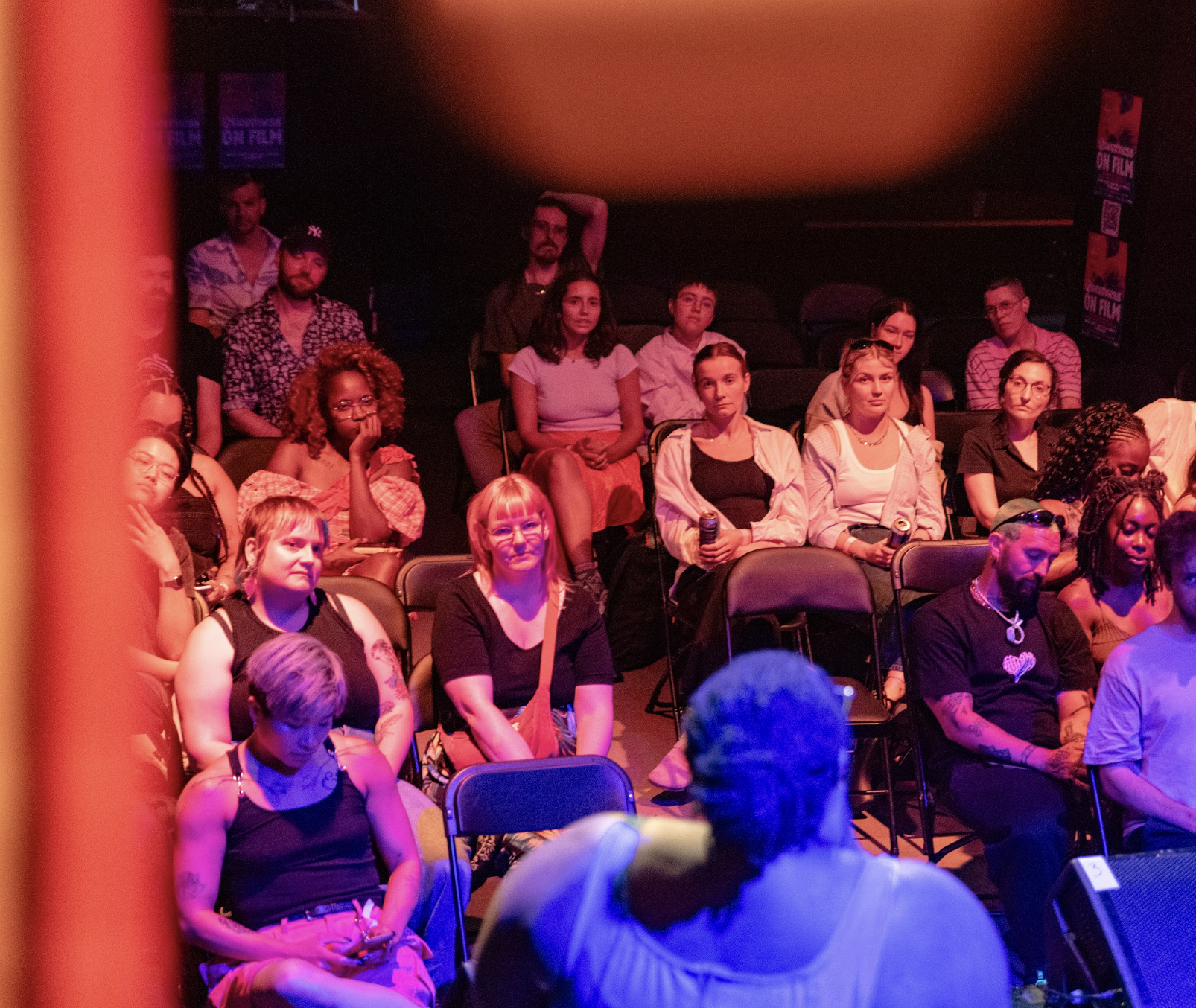
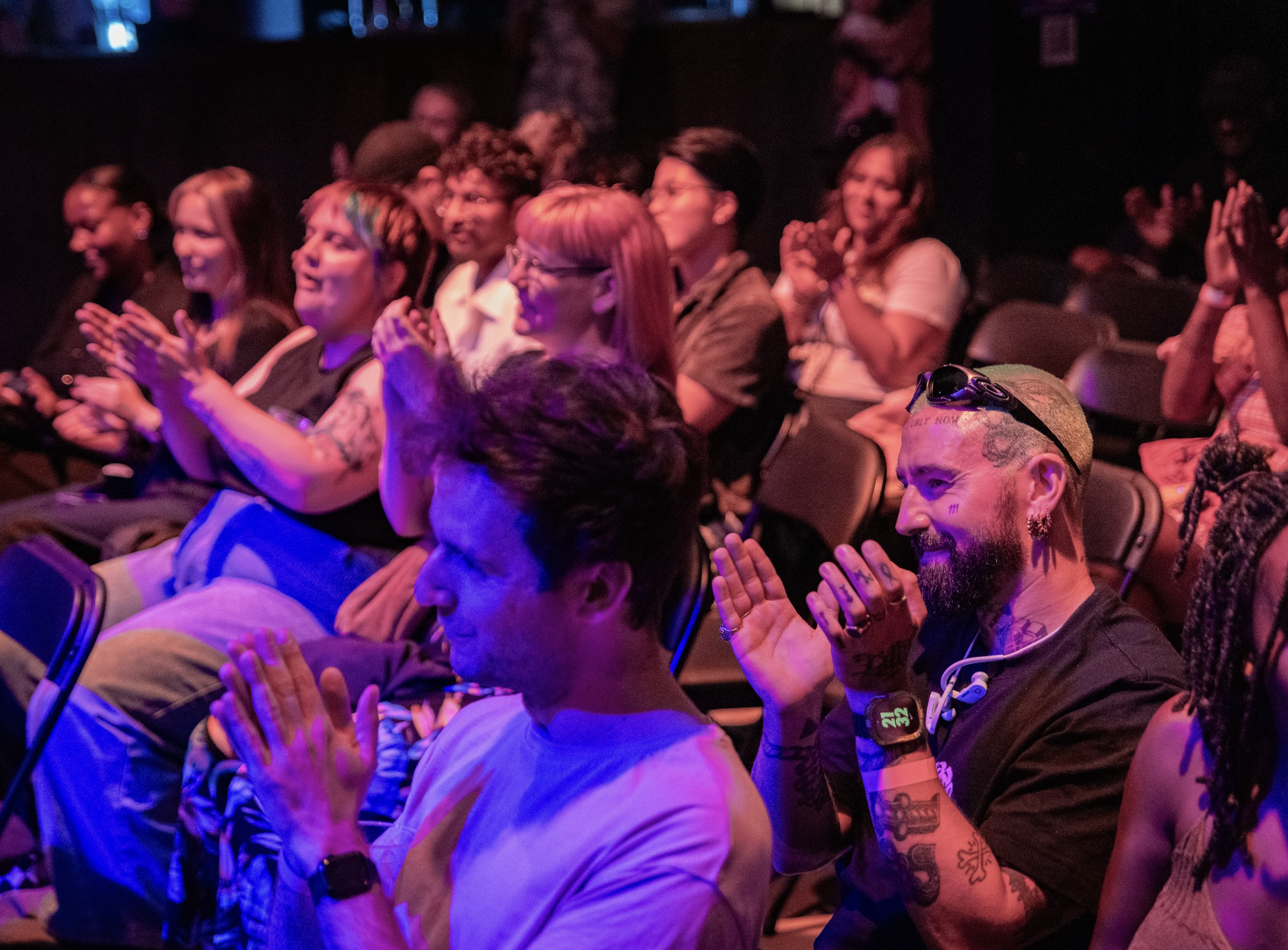
On a night when much of the country was watching one of the biggest football matches of the year, more than 120 filmmakers, creatives, advertisers, commissioners and cultural leaders chose to be at Rich Mix celebrating LGBTQIA+ storytelling through independent queer films at Queerness on Film 2026.
Presented by Lemonade Collective in partnership with Hijinks and headline sponsor 1stAveMachine, the event returned for its second consecutive sold out year, once again bringing together the creative industries for an evening of film, conversation, performance and connection.
Following last year’s sold out debut at All Is Joy Studios, the event moved to Rich Mix to accommodate a larger audience, cementing its place as one of the UK’s most distinctive celebrations of LGBTQIA+ creativity across film, advertising, media and contemporary culture.
Produced by Lemonade Collective in partnership with Hijinks, the evening was built around a simple question. What kind of event would genuinely serve the LGBTQIA+ creative community?
The answer was a programme combining short film screenings, live discussion, performance, networking and a dedicated wellbeing space, creating opportunities for filmmakers, artists, agencies, commissioners, brands and cultural organisations to connect.
The curated programme featured narrative, documentary and experimental films alongside music videos that challenged convention while exploring the richness, humour, resilience and complexity of contemporary queer life. Together, the films reflected the breadth of LGBTQIA+ storytelling emerging across today’s creative industries.
Audience feedback throughout the evening reflected the impact of the programme, with guests commenting on the exceptional calibre of the films and the strength of Lemonade Collective’s curation. The breadth of storytelling, originality of voice and quality of filmmaking left a lasting impression, with many describing it as one of the strongest collections of contemporary queer short films they had seen.
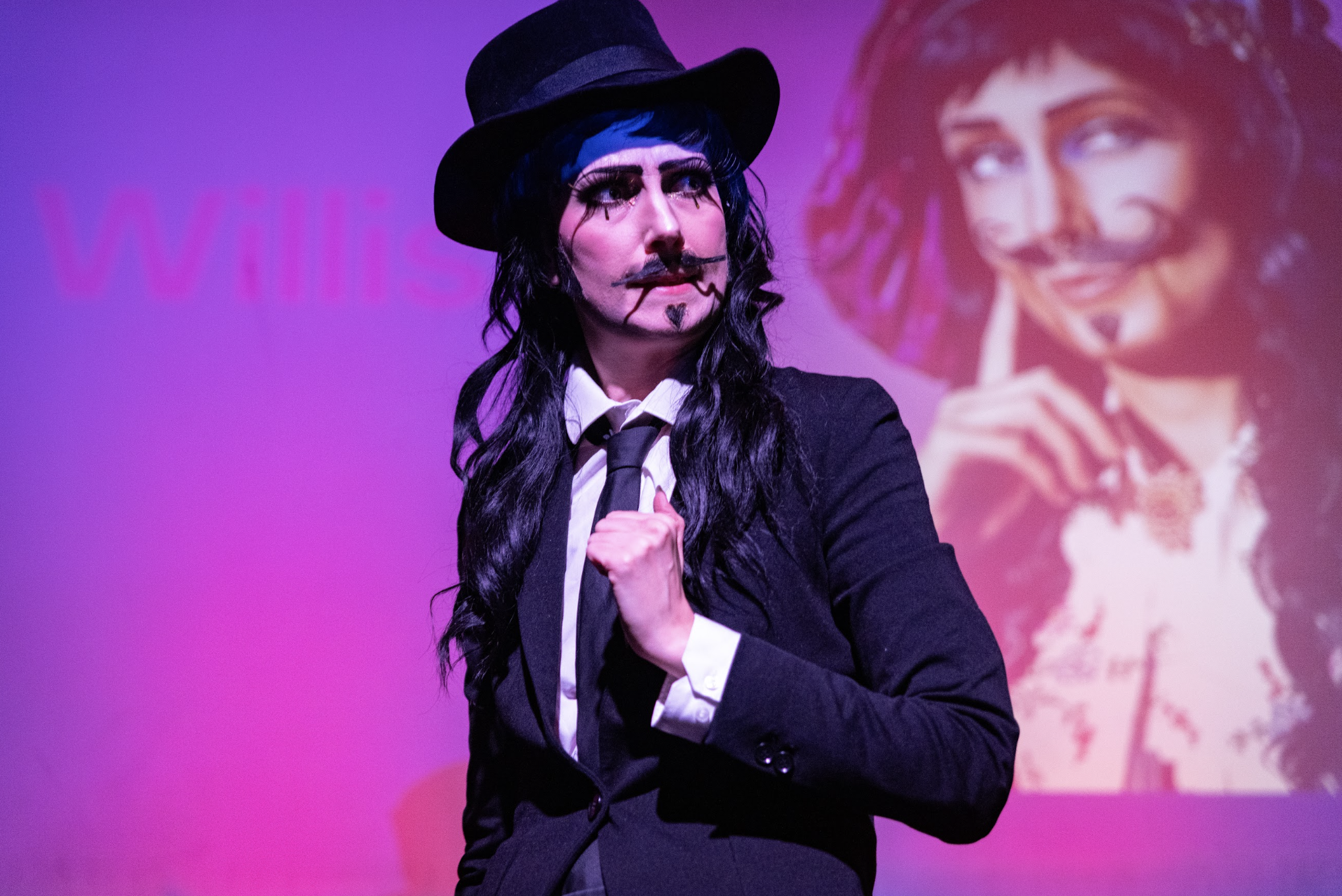
One of the defining moments of the evening was the live panel discussion hosted by Loose Willis (He/Him/Daddy). His warmth, humour and thoughtful moderation created space for a conversation that was candid, nuanced and deeply personal.
Bringing together filmmakers, writers, performers and cultural leaders, the discussion explored the realities of making queer work today, from authorship and identity to commercial pressures, creative freedom, career sustainability and the future of representation. It challenged the idea that diversity should be treated as a trend and called instead for meaningful, long term support for LGBTQIA+ talent across the creative industries.
One of the most compelling exchanges centred on what actually defines a queer film.
Jesse May Fisher and Jaime Lock spoke confidently about Jellyfish as unapologetically queer cinema. While acknowledging that its themes resonate far beyond LGBTQIA+ audiences, they were clear that the film’s perspective, authorship and emotional core make it inherently queer.
Danny Bailey offered a contrasting perspective. He explained that he had never consciously set out to make a queer film and was simply telling his story. It was only when Soft Bwoi began travelling on the festival circuit and being categorised in those terms that he started to consider his work through that lens. The exchange opened up a wider discussion about who gets to define creative work and whether those definitions come from the artist, the audience or the industry.
The conversation repeatedly returned to another central question. Who are queer stories really for?
Rather than speaking only to audiences who already identify as allies, the panel shared a collective ambition to reach far beyond the converted. Danny spoke about wanting his films to be screened in barbershops, meeting audiences within the spaces they already inhabit.
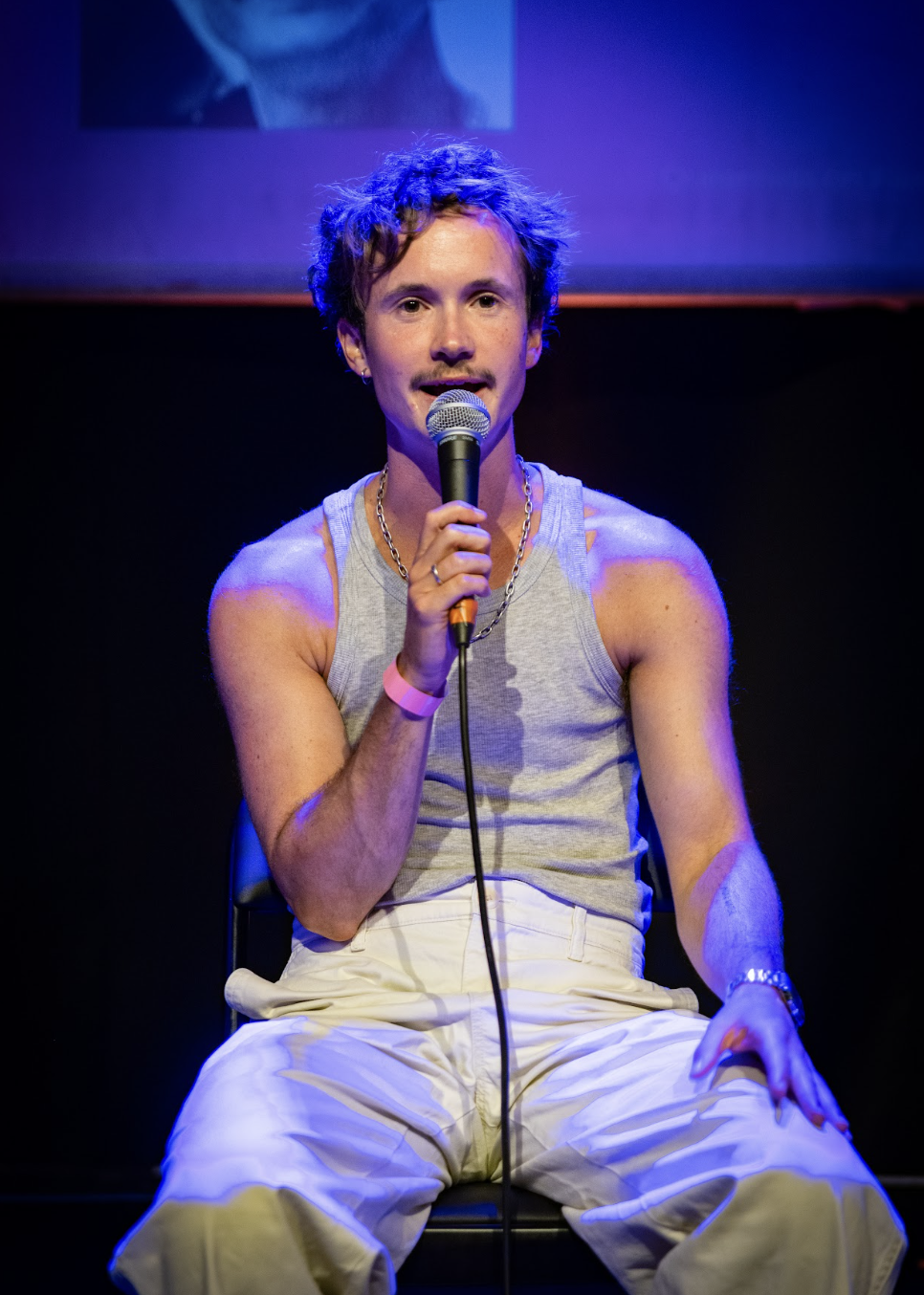
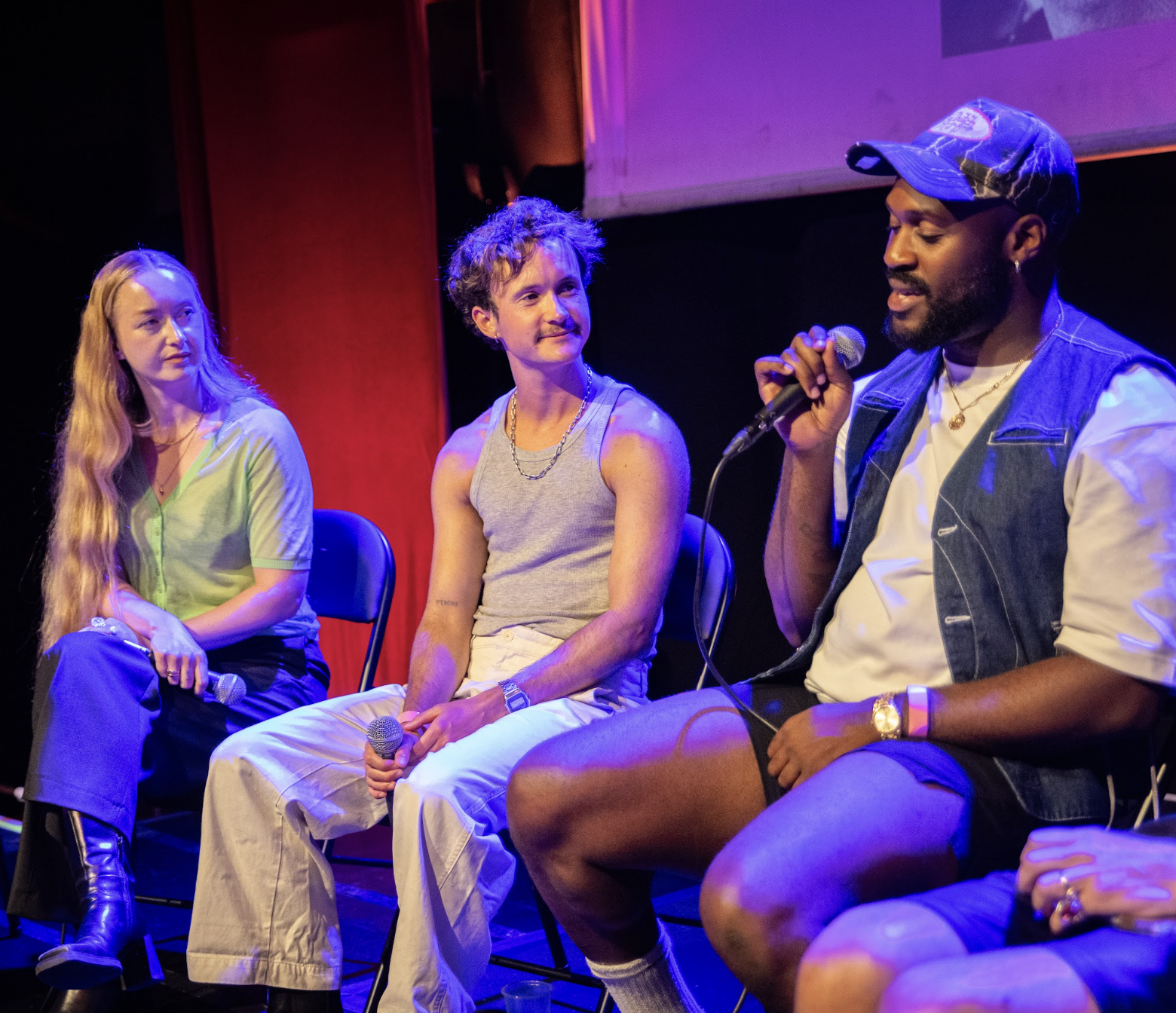
Luyanda Lewis-Nyawo imagined queer stories reaching people’s living rooms, particularly those of viewers with bigoted beliefs who may never previously have felt compelled to confront them. They spoke about the power of humanising queer characters, appealing to an audience’s empathy and creating opportunities for people to reconsider deeply held and sometimes hateful perspectives.
Luyanda also reflected on the desire to reach broader Black audiences, highlighting that representation is not only about who appears on screen, but also about who feels welcomed into the audience.
Andrew Woodyatt reflected on the role queer cinema can play in reaching new audiences. While recognising that those in the room were largely already allies, he spoke about his ambition for Pink Palace Queer Film Club to help “wake the unwoken” through stories that challenge assumptions, encourage empathy and spark conversation.
The panel also offered a candid assessment of the current landscape for queer storytelling. There was broad agreement that after a period of increased visibility, LGBTQIA+ creatives had experienced something of a brief moment in the sun and were no longer considered as fashionable by parts of the industry as they had been only a few years earlier.
This prompted a lively debate about whether queer artists should resist the pressure to conform to cycles of cultural fashion altogether, and how difficult that resistance can be within a capitalist creative economy where access to funding, employment and visibility remains tied to commercial demand.
Luyanda shared the sobering experience of being advised to return to using she and her pronouns in order to improve their chances of securing acting roles. The anecdote prompted a powerful discussion about authenticity, visibility and the compromises LGBTQIA+ creatives are still too often expected to make in order to work.
Andrew argued that the answer lies in rebellion, holding firmly to a strong sense of identity and refusing to dilute queer voices to meet changing industry expectations. It was a sentiment that resonated across both the panel and the audience, capturing the spirit of an evening that celebrated not only queer storytelling, but the confidence to tell those stories on their own terms.
The discussion also highlighted the range of approaches available to contemporary queer filmmakers. Danny spoke about making Soft Bwoi in a deliberately stripped back, guerrilla style, shooting much of the film on an iPhone in his own home.
He reflected on how a deeply personal, high concept film made with limited resources had gone on to travel around the world, connecting with queer communities across continents. His experience demonstrated that authentic storytelling does not require a large budget to achieve significant creative reach and emotional impact.
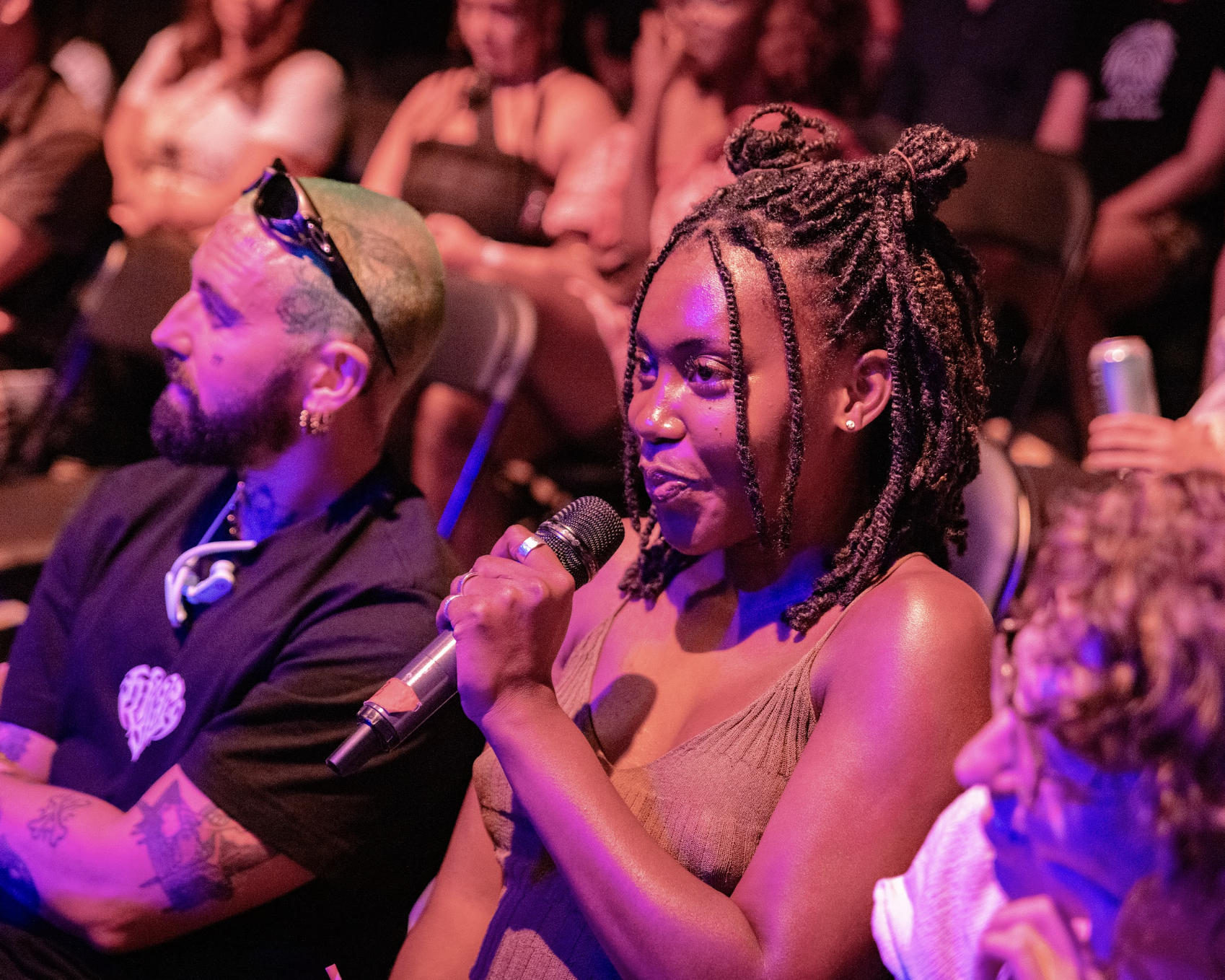
Expertly guided by Loose Willis, the discussion was insightful, funny, challenging and deeply personal in equal measure. It prompted an engaged audience Q&A and conversations that continued long after the formal programme had ended, demonstrating the appetite for spaces where complex ideas can be explored with honesty, generosity and hope.
Together with the exceptional calibre of the films and Lemonade Collective’s thoughtful curation, the panel reinforced Queerness on Film’s growing reputation as one of the UK’s most distinctive celebrations of LGBTQIA+ film, creativity and culture.
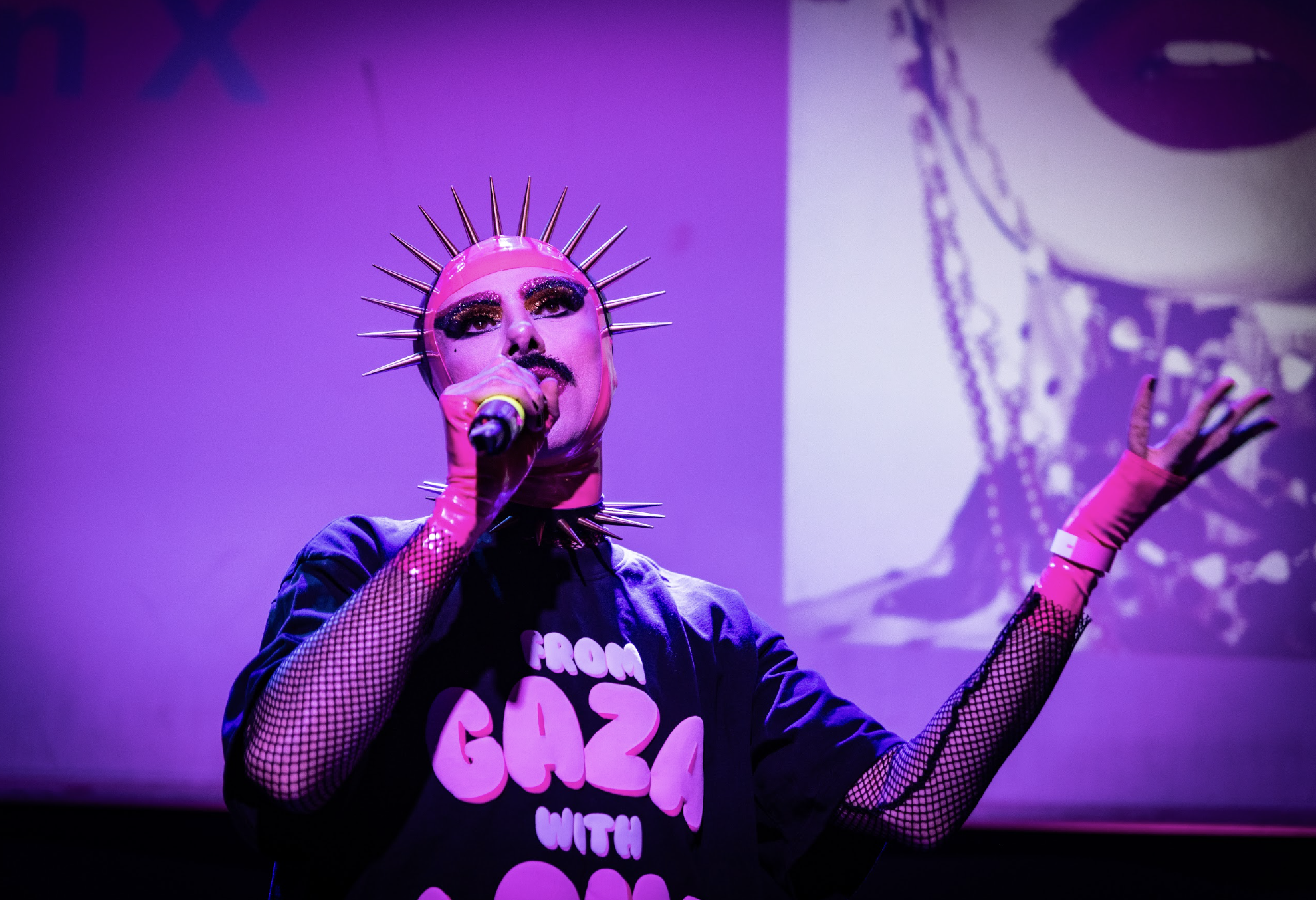
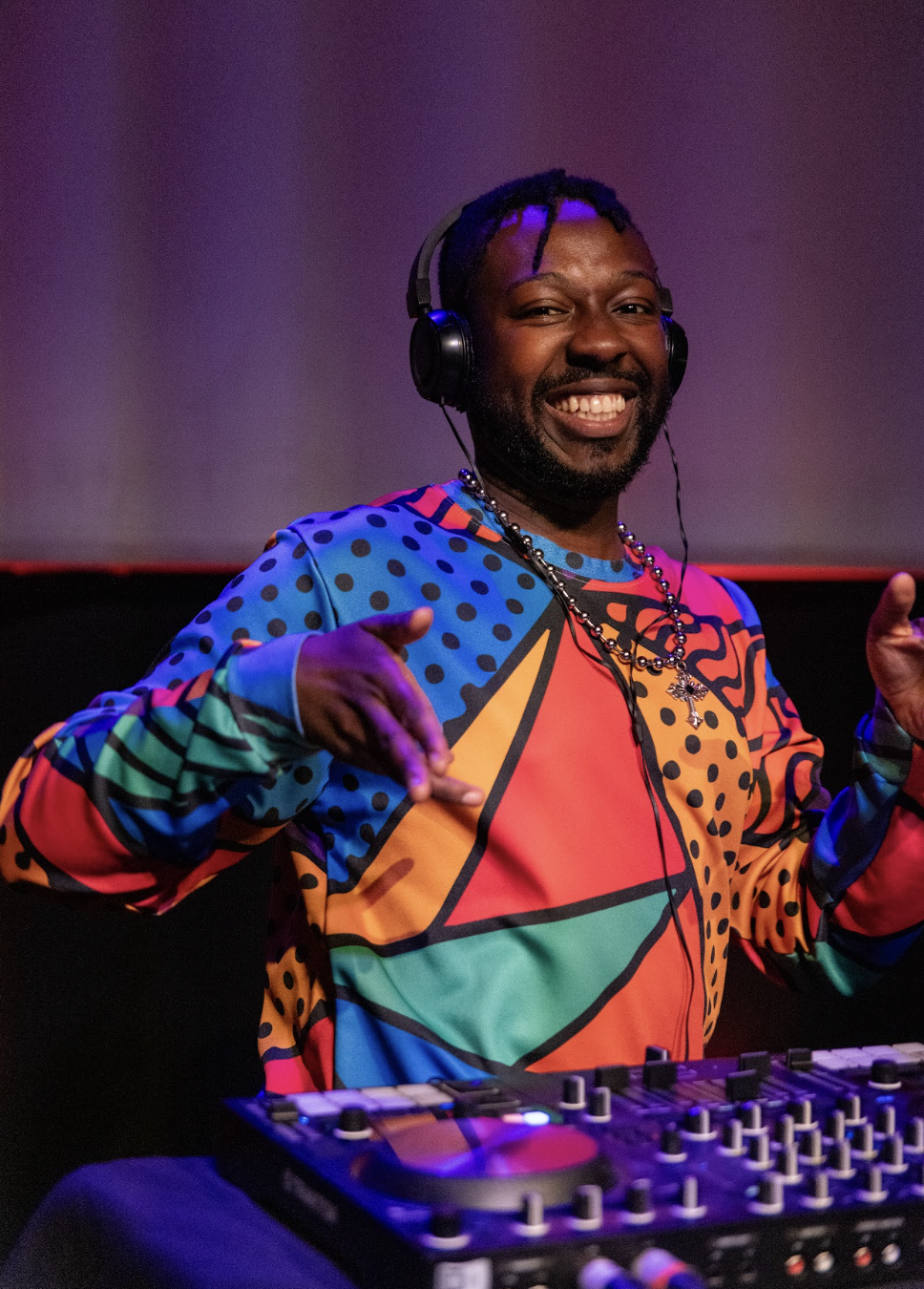
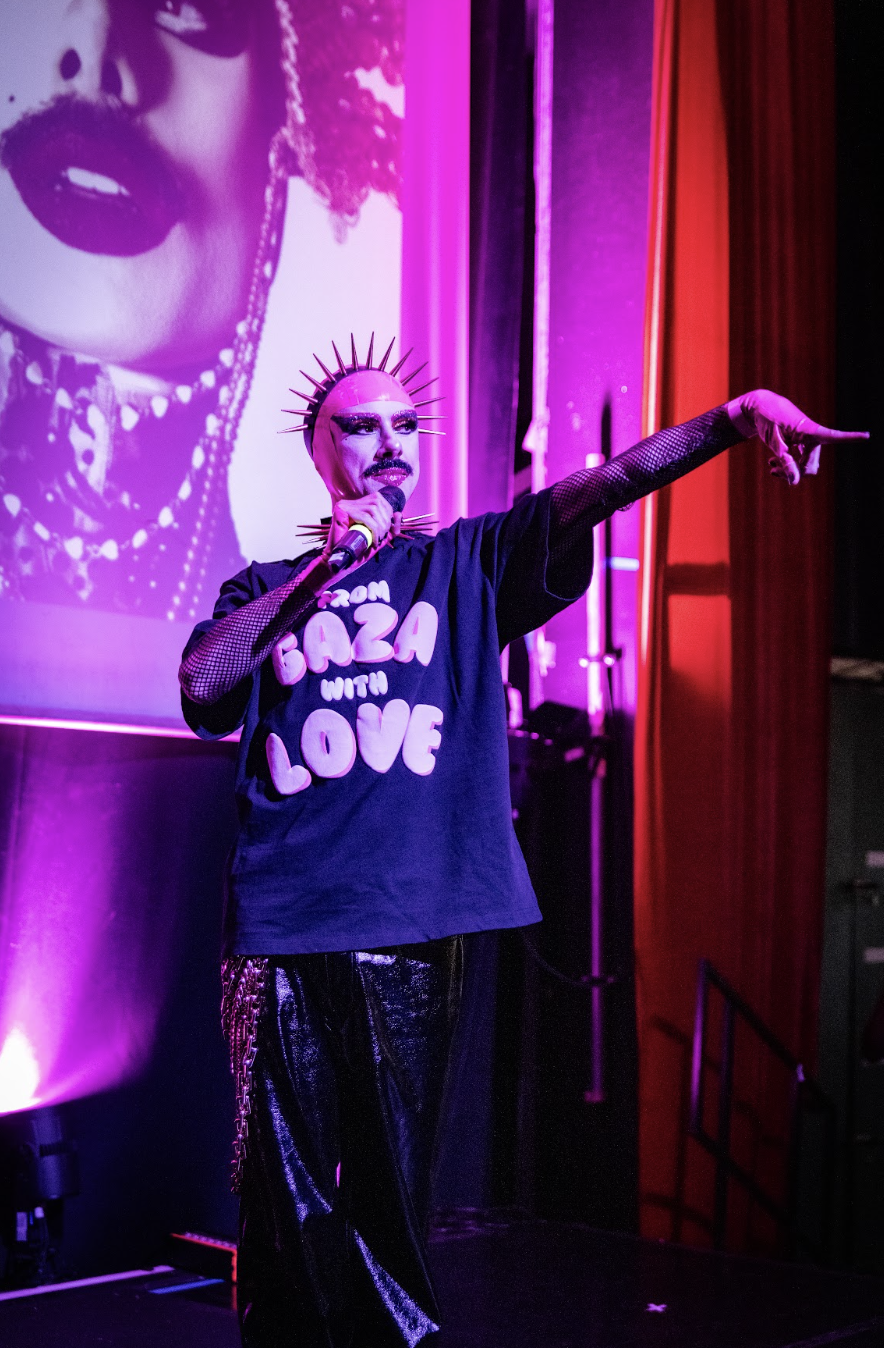
The evening concluded with a live performance from Virgin X, followed by music, networking and a social hosted by DJ Misterr Cha and Loose Willis.
The event was made possible through the support of headline partner 1stAveMachine, alongside Hijinks, First Cut, Outvertising, The Arzner, Pink Palace Queer Film Club, Firepit Art Gallery & Cultural Hub, London Fetish Film Festival and Rich Mix.
